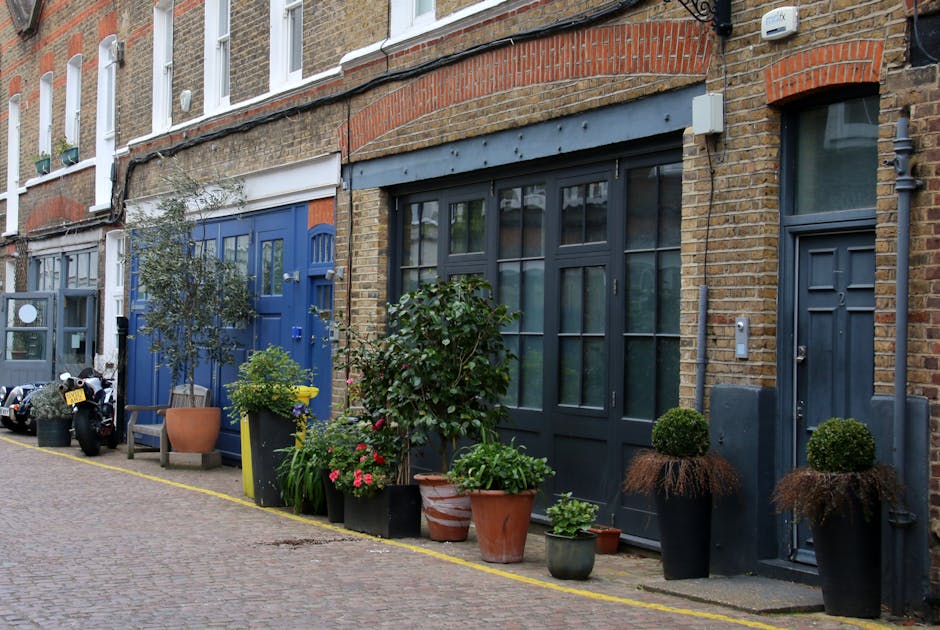
London gardeners covering Fulham SW6 streets and small yards
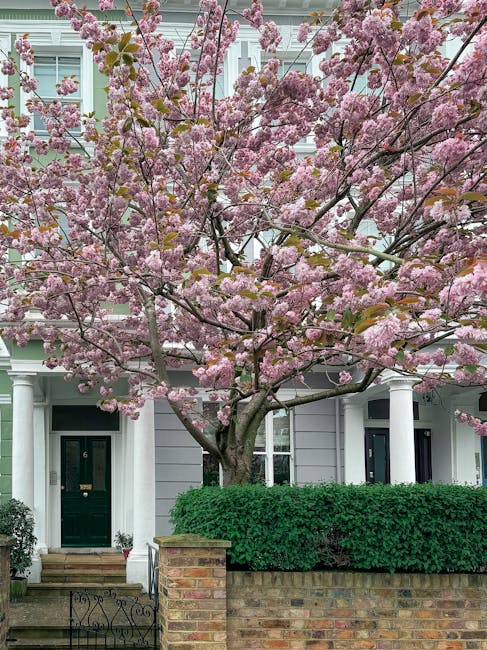
Finding the right help for a Fulham garden is a little different from hiring a generic team for a big suburban plot. Streets can be tight, access can be awkward, and many outdoor spaces in SW6 are compact courtyards, narrow side returns, tiny front gardens, or first-floor terraces that need careful handling. That is exactly where London gardeners covering Fulham SW6 streets and small yards can make life easier.
Whether your space gets little sun, needs regular upkeep, or simply feels too small to know where to start, the right gardener can turn a cramped patch into something calm, tidy, and genuinely useful. In this guide, we'll look at how local garden services work, what they do well, where the pitfalls are, and how to choose a practical approach for a small London garden without overcomplicating things.
Let's face it, a small garden can be either a joy or a chore. Often both, on the same weekend.
- Why this matters in Fulham SW6
- How local gardening services work
- Benefits and practical advantages
- Who it is for
- Step-by-step guidance
- Expert tips for better results
- Common mistakes to avoid
- Tools, resources and recommendations
- Law, compliance and best practice
- Options and comparison
- Real-world example
- Practical checklist
- Conclusion
- Frequently asked questions
Why London gardeners covering Fulham SW6 streets and small yards Matters
Fulham has a very particular rhythm. You get handsome terraces, tucked-away mews-style spaces, small back yards, and front gardens that do a surprising amount of visual work from the street. If a space is neat, the whole house feels better kept. If it is neglected, the mess shows quickly. In a busy SW6 street, that matters more than people sometimes admit.
Small gardens also behave differently from larger ones. They dry out faster, get waterlogged faster, and can look messy from just a few weeds or an untidy edge. The margin for error is tiny. A garden that is only a few metres wide still needs proper plant choice, decent drainage, and regular attention. Otherwise you end up with pots full of half-happy plants and a lawn that never quite settles.
That is why local knowledge counts. London gardeners who regularly work in Fulham SW6 streets and small yards tend to understand access limitations, neighbour proximity, parking restrictions, narrow side gates, and the simple fact that every load of green waste has to be carried through somewhere. It sounds mundane, but those details shape the whole job.
Key takeaway: in compact London spaces, gardening is less about scale and more about precision. A good plan saves time, keeps the property looking cared for, and avoids the constant cycle of fix-and-repair.
How London gardeners covering Fulham SW6 streets and small yards Works
In practical terms, local gardening support for Fulham usually starts with a quick assessment of what the space actually needs, not what looks glamorous on paper. A decent gardener will look at sunlight, soil condition, access, drainage, boundaries, and how you use the space day to day. That first look can tell you a lot. Is the yard mostly ornamental? Do you need low-maintenance planting? Is there a patch of lawn worth saving, or should it be replaced with something more realistic?
For smaller London gardens, the work often falls into a few familiar types:
- routine maintenance such as weeding, pruning, mowing, and edging
- seasonal tidy-ups after growth spurts or leaf fall
- planting for shade, privacy, or year-round structure
- hedge and boundary care
- clearance work for overgrown yards or neglected spaces
- light landscaping for paving, borders, raised beds, or storage-friendly layouts
It is usually more efficient to combine tasks in one visit. For example, a small Fulham yard might need hedge trimming, a bit of weeding, a lawn cut, and fresh mulch around pots. Done together, it feels like a reset rather than a series of little chores that never quite end. That difference matters. A lot.
Most good garden teams also work around neighbour sensitivities. On a quiet street, the timing of noisy tools, access through shared paths, and waste removal all need a bit of thought. Not dramatic, just respectful. London living, basically.
Key Benefits and Practical Advantages
There are obvious benefits to hiring gardening help, but the useful ones are the quiet, practical ones that show up week after week.
1. Better use of limited space
Small yards need structure. A professional eye can stop the space becoming a random collection of pots, broken stepping stones, and one overambitious shrub that now owns the whole corner. Good layout makes a tight garden feel larger and calmer.
2. Lower maintenance over time
When planting is chosen properly, you spend less time rescuing things. That includes picking plants that match shade levels, drainage, and the amount of care you realistically want to give. Not every garden needs to be a project. Some just need to be manageable.
3. Cleaner presentation from the street
In Fulham, kerb appeal matters. Even a modest front garden can change how a property feels. Tidy borders, clipped edges, and healthy planting create an impression of care that you notice the moment you walk past.
4. Less stress with awkward tasks
There are jobs most people leave until they are annoying: hedge reshaping, clearing old growth, stubborn weeds between paving, or cutting back plants that have leaned a bit too far into the path. A gardener handles those quickly, and safely. Sometimes that alone is worth it.
5. Seasonal continuity
A small space can look bare for months if it is not planned with the seasons in mind. Good maintenance means there is always something going on: structure in winter, fresh growth in spring, texture in summer, and tidy recovery in autumn.
| Approach | Best for | What it gives you | Typical downside |
|---|---|---|---|
| DIY upkeep | Very small spaces, light care | Flexibility and lower immediate cost | Can become inconsistent or time-consuming |
| Occasional gardener visits | Busy households, moderate maintenance | Professional refresh without weekly commitment | Problems can build between visits |
| Regular garden maintenance | Front gardens, planted yards, shared spaces | Steady control and reliable presentation | Requires ongoing budget and scheduling |
| Light landscaping plus care | Spaces needing a reset | Improved layout and easier upkeep later | More planning upfront |
Who This Is For and When It Makes Sense
This kind of service is a strong fit if you live in Fulham and your outdoor space is small, visible, or hard to maintain alone. That sounds broad, but it really covers a lot of actual homes.
- Busy professionals who don't have time for regular upkeep
- Homeowners who want their front garden to look tidy year-round
- Landlords aiming to present a property well between tenancies
- Residents with shaded yards where plants need careful selection
- People with narrow access who need tidy, efficient work
- Anyone who has inherited an overgrown space and doesn't know where to start
It also makes sense if you have tried doing it yourself and keep getting stuck on the same issues. Maybe the lawn patches up badly after every dry spell. Maybe the climbers are too vigorous. Maybe the layout never quite works. A good gardener will spot those patterns quickly.
One common moment: you look out one morning and realise the weeds have won the race, at least for now. That is usually the time people call for help. Fair enough, honestly.
Step-by-Step Guidance
If you're thinking about hiring gardening support for a Fulham SW6 street or small yard, a sensible process helps you get better results and fewer surprises.
1. Look at the space honestly
Start by noting what the garden actually does. Is it decorative only? Do you need seating? Storage? Privacy? A dog-friendly surface? Good gardening starts with use, not wishful thinking.
2. Identify the biggest pain points
Write down the issues that bother you most. It might be overgrown hedges, poor drainage, patchy planting, weeds in paving joints, or a lawn that struggles in shade. Focus on the main annoyances first. The rest can often wait.
3. Decide how much maintenance you really want
Be honest here. Some people love regular garden jobs. Others want something neat that mostly looks after itself. Both are fine. The trick is not choosing plants or layouts that require a level of attention you will never give. That's where frustration begins.
4. Ask about access and logistics
In Fulham, access can make a big difference. Is there a side gate? Shared path? Restricted parking nearby? Can waste be removed easily? A good gardener will factor this in before work starts, which keeps the visit efficient and avoids awkward, half-finished jobs.
5. Agree the scope clearly
Spell out what is included. A tidy-up is not the same as a redesign. Hedge trimming is not the same as hedge reduction. Small wording differences matter, especially if you want the job done properly and fairly priced.
6. Prioritise the structure first
In a compact garden, start with the bones of the space: hard edges, beds, paths, screening, and dominant plants. Once the structure is right, the rest becomes easier. Without structure, even a nice planting scheme can feel a bit chaotic.
7. Keep a realistic maintenance rhythm
Small gardens often need little and often rather than one heroic overhaul every few months. A regular touch-up can prevent the space slipping into the "we'll do it next weekend" category, which, let's be fair, is where many gardens go to sulk.
Expert Tips for Better Results
These are the kinds of details that make a small London garden feel well judged rather than merely maintained.
Choose plants that earn their keep
In a compact yard, every plant should have a reason to be there. Structure, flowers, privacy, scent, or seasonal interest. Ideally more than one of those. If a plant only looks good for two weeks and then becomes a chore, that is not really a good investment of space.
Use vertical space carefully
Walls, fences, trellis, hanging planters, and climbers can make a small garden feel layered without using much ground area. But don't overload the walls. A bit of breathing room goes a long way.
Think in textures, not just colour
Grass, leaves, bark, evergreen structure, and flowering plants all play different roles. In a tiny yard, texture often matters more than large sweeping colour schemes. It creates depth without clutter.
Keep hard surfaces simple
Small spaces can look cramped if there are too many materials fighting for attention. One paving style, one main container type, and a restrained palette usually works better than trying to fit in everything at once.
Plan for shade and reflected heat
Fulham gardens can have a mix of deep shade, warm brick reflections, and narrow light channels between buildings. Plants that cope well in one part of the yard may struggle in another. It sounds obvious, but people still get caught out by it.
Leave room for maintenance access
Even the best-designed yard needs access for pruning, sweeping, and watering. If every pot blocks every route, the space becomes annoying very quickly. A small path or clear stepping area helps more than people expect.
Practical expert summary: the best small-garden results usually come from a restrained design, the right plant choices, and a maintenance plan that matches real life. Not perfection. Just consistency and good judgement.
Common Mistakes to Avoid
Small gardens are full of traps that seem harmless at first.
- Overplanting. A crowded yard looks busy now and messy later. Give plants space to mature.
- Choosing thirsty plants for dry spots. If the soil dries quickly, the wrong planting choice will struggle constantly.
- Ignoring drainage. Puddling after rain is often a sign that the space needs adjustment, not just more watering.
- Leaving pruning too late. One missed season can turn a neat boundary into a job with ladders, sweat, and a lot more waste.
- Using too many materials. A small garden can become visually noisy very fast.
- Assuming all maintenance is equal. Lawn care, hedge care, and border care each have different demands.
- Not planning waste removal. Green waste has volume. Even a tiny yard can produce a surprising pile after a clear-out.
Another one that catches people out: buying plants because they looked lovely in a garden centre on a sunny Saturday. Then they get home to a shady SW6 yard and, well, that's that. Beautiful in the car, unhappy by Tuesday.
Tools, Resources and Recommendations
For small Fulham gardens, the right toolkit does not need to be huge. It needs to be practical, reliable, and suited to tight spaces.
Useful tools for compact gardens
- sharp secateurs for light pruning and deadheading
- hand fork and trowel for pots and borders
- long-handled shears for shaping where space is tight
- lightweight rake for leaves and debris
- watering can or hose setup that reaches every corner
- bags or bins for collecting green waste neatly
Helpful service combinations
Some tasks pair especially well in small gardens. For example:
- garden maintenance + lawn mowing if the space has a small grass area that needs regular control
- hedge trimming + pruning if boundaries are becoming heavy or messy
- garden clearance + new planting if the yard needs a reset before it can shine again
- landscape gardening + maintenance planning if you want the redesign to stay manageable
If you want to explore broader services and how they fit together, you can look at garden maintenance, lawn mowing, and hedge trimming for a sense of the typical work involved. For more substantial changes, landscape gardening and garden clearance can be relevant too.
You may also find it helpful to understand how a wider company approach works by reading the about us page or checking service expectations through the pricing and quotes information. Those details matter more than people think when comparing options.
Law, Compliance, Standards, or Best Practice
For garden work in London, compliance is usually less about paperwork and more about safe, respectful, and lawful practice. That said, it should never be treated casually.
Good gardeners working in Fulham generally need to consider:
- Property access and neighbour boundaries: especially where gates, shared passages, or party boundary lines are involved.
- Noise and timing: power tools and clearing work should be planned sensibly, particularly in close streets.
- Waste handling: green waste should be removed responsibly and not dumped informally.
- Working safely at height: hedge work, tree-related tasks, and ladder use call for proper care and equipment.
- Insurance and safety: a reputable business should be able to explain how it handles risk and public liability considerations.
If you are comparing providers, it is sensible to ask about insurance and safety and how work is approached in practice. For some customers, that reassurance matters as much as the finish itself. The same goes for health and safety policy and the company's approach to recycling and sustainability.
There is also basic consumer good sense: get the scope in writing, confirm what happens with waste, and make sure any quotation feels clear. Nothing fancy. Just tidy, professional practice.
Options, Methods, or Comparison Table
There is more than one way to manage a Fulham yard, and the best approach depends on the space, the budget, and how much involvement you want.
| Method | Best fit | Strengths | Watch-outs |
|---|---|---|---|
| Regular maintenance visits | Small gardens that need ongoing control | Keeps everything tidy and predictable | Less suitable for major redesigns |
| One-off clearance and reset | Overgrown yards or neglected spaces | Fast visible improvement | Needs follow-up to stay neat |
| Light landscaping first, maintenance later | Spaces with awkward layout or poor flow | Long-term ease and better usability | Higher upfront effort |
| DIY with occasional expert input | Confident owners who like hands-on care | Lower ongoing cost | Easy for standards to slip |
For many SW6 households, the sweet spot is a combination approach: a tidy-up or small redesign first, then routine upkeep after that. It is usually the most sensible balance. Not always the flashiest, but often the most satisfying in real life.
Case Study or Real-World Example
Picture a narrow Fulham back yard that gets half a day of sun if the weather is kind. The space has old paving, a tired patch of lawn near the back, and a climber that has started to pull the fence line sideways. Nothing dramatic. Just a garden that has quietly drifted into "too much effort" territory.
A sensible plan for that space would probably start with clearance: cut back the overgrowth, remove dead material, and free up the path. Next comes the structure. Maybe the lawn is reduced or replaced with a lower-maintenance surface. Maybe a couple of raised planters are introduced to create height and stop the garden looking flat. Then the planting is simplified. Shady-tolerant structure at the back, more forgiving pots near the seating area, and a clear route through the middle.
What changes most is not just appearance. The space becomes easier to use. It stops being a job and becomes part of the home again. A small garden should do that. It should feel like an extra room, even if it is only a few steps wide.
And yes, there is usually a moment where the owner stands at the back door and says, "Oh, that's better." That is often the whole point.
Practical Checklist
Use this checklist before booking or planning work for a small Fulham garden.
- Identify the main goal: tidier look, easier maintenance, better layout, or a full refresh.
- Measure the space roughly, including access points and narrow passages.
- Note sun, shade, and any damp spots that affect planting.
- List the most urgent jobs first, not every tiny issue.
- Decide whether you want one-off work or ongoing support.
- Ask how waste will be handled and whether the quote includes it.
- Clarify if pruning, mowing, hedging, or clearance is included.
- Check whether the team is used to working in tight London access conditions.
- Think about privacy, screening, and street-facing appearance if relevant.
- Confirm any safety or insurance details you care about before booking.
If you are still unsure where to begin, start small. Sort the most visible problem first. Once that is under control, the rest gets easier. Strange how often that works.
Conclusion
London gardeners covering Fulham SW6 streets and small yards are most valuable when they bring local practicality, tidy workmanship, and a realistic understanding of how compact London gardens actually live. The best results come from clear priorities, sensible plant choices, and a maintenance plan that fits real life rather than ideal life. That is the difference between a garden that looks pleasant for a week and one that stays genuinely enjoyable through the seasons.
For many Fulham homes, the answer is not a dramatic redesign. It is a small set of smart decisions made well: improve the structure, reduce the mess, choose resilient planting, and keep the upkeep manageable. Simple, really. Not easy always, but simple.
Get a free quote today and see how much you can save.
If your yard, terrace, or front garden has been quietly asking for attention, this is a good moment to give it some. Small spaces can be lovely. They just need the right hands and a bit of patience.
Frequently Asked Questions
Do London gardeners covering Fulham SW6 streets and small yards handle very small spaces?
Yes. In fact, small spaces are often where careful gardening makes the biggest visible difference. A good gardener can work with tight access, narrow borders, compact courtyards, and small front gardens without making the job feel oversized.
How often should a small Fulham garden be maintained?
That depends on the planting and how neat you want it to look. Some gardens need weekly or fortnightly attention in the growing season, while others can cope with less frequent visits. Little and often usually works best.
Can a small yard be made low maintenance?
Usually, yes. It may not become maintenance-free, but it can become much easier to manage. The usual route is simpler planting, cleaner lines, better drainage, and fewer fussy materials.
What jobs are usually included in garden maintenance?
Common maintenance tasks include weeding, pruning, hedge trimming, edging, sweeping, planting care, and small tidy-ups. Always check the scope, though, because some visits are more comprehensive than others.
Is garden clearance useful before redesigning a small yard?
Very often, yes. Clearance removes the clutter and overgrowth that hide the true shape of the space. It gives you a clean starting point, which makes planning far easier.
What if my Fulham garden gets very little sunlight?
That is common in London and not a deal-breaker. Shade-tolerant plants, lighter materials, and a layout that avoids crowding can make a shady yard feel balanced and healthy.
How do I know if I need landscaping rather than basic maintenance?
If the space has poor flow, awkward levels, bad surfaces, or a layout that never quite works, landscaping may be worth considering. If it mainly needs regular tidying, maintenance is probably enough.
Do gardeners remove green waste after the job?
Often they do, but it should be agreed in advance. Green waste can build up fast, especially in overgrown yards. It is sensible to confirm whether removal is included in the quotation.
What should I ask before booking a gardener in Fulham?
Ask what is included, how waste is handled, whether they are used to tight access, and whether they can advise on planting or layout if needed. A clear conversation at the start prevents awkward assumptions later.
Can I combine hedge trimming, mowing, and planting in one visit?
Yes, and that is often the most efficient way to do it. Combining jobs saves time and usually leaves the garden looking more complete. Just make sure the schedule and scope are agreed first.
Are there safety or insurance considerations for garden work?
Yes. If a team is working on your property, especially with tools or ladders, it is reasonable to ask about safety and insurance arrangements. Reputable providers should be comfortable explaining that.
What is the best first step if my small yard feels overwhelming?
Start with the most visible problem. Clear the worst overgrowth, remove obvious clutter, or tidy the front edge first. Once one area looks better, the whole space tends to feel more manageable. That first win matters more than people think.